Source Battery Operated Led Electronic Candle for Home and Party
Find 30 battery operated led electronic candle options for home lighting, weddings, and parties. Compare features like flameless LED designs, paraffin wax materials, and remote control functions to select the right supplier for your event needs; compare the available evidence and request quotations based on your requirements.
Key considerations
Products List


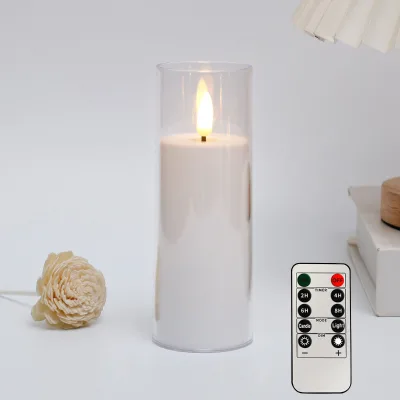


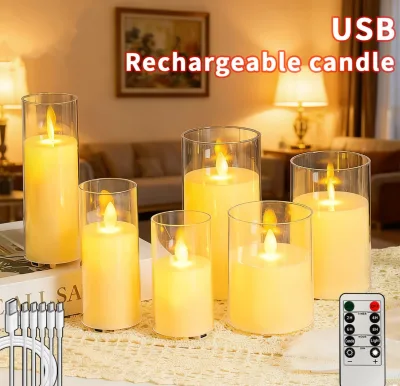
Comprehensive Sourcing Guide
Battery Operated Led Electronic Candle Sourcing Guide
Procurement of battery-operated LED electronic candles requires distinguishing between plastic-based flameless units and traditional wax alternatives, as the supply chain for these distinct categories often diverges significantly. Buyers must verify whether the product utilizes a plastic body with an LED core or a paraffin wax base, as this fundamental material difference dictates the manufacturing process, from injection molding to hand-pouring techniques. Understanding this distinction is critical before initiating contact with suppliers, as the technical requirements for waterproofing and battery integration vary by construction type.
The observed market signals indicate a wide range of customization options, including OEM logo design and specific shape variations like round or multi-colored finishes. While some listings highlight specific models such as the JE1025C or AFLD series, buyers should treat these as examples of available SKUs rather than universal standards. The presence of diverse packaging formats, ranging from blister cards to PVC display boxes, suggests that suppliers are prepared to meet varied retail requirements, but the buyer must explicitly confirm which packaging standard applies to their specific order volume and destination market.
Product Scope and Observed Listing Signals
Buyers should analyze the functional scope of the product to ensure it aligns with the intended application, whether for home lighting, religious ceremonies, or decorative events. The data confirms that these candles are designed for multiple occasions including birthdays, weddings, and holidays, with some models featuring remote control and timer functions to enhance user convenience. It is essential to verify if the specific unit includes a diffuser or if the light emission is direct, as this affects the ambiance and suitability for sensitive environments like spas or funeral services.
The observed listing signals reveal a significant variance in minimum order quantities, ranging from as low as two units to several thousand pieces, which directly impacts the feasibility for small retailers versus large distributors. While some entries suggest a base material of plastic with a specific IP44 rating, others indicate paraffin wax construction, meaning the buyer must carefully cross-reference the material specification with the intended usage environment. The presence of unscented options alongside potential customizations implies that fragrance is not a standard feature, and buyers seeking scented variants must confirm this capability with the supplier before proceeding.
Technical Specifications to Verify
Technical verification must begin with the power source and battery requirements, as the listed energy source is explicitly battery-operated with a power consumption of 0.25W for certain models. Buyers need to confirm the specific battery type required, the expected burning time which can reach up to 100 hours for some units, and the compatibility of the lamp holder base, which is noted as 5mm in specific product lines. Ensuring the correct battery type is available in the target market is crucial to prevent post-sales issues where customers cannot easily replace the power source.
Dimensional accuracy and physical construction are equally critical, with observed sizes varying from compact 39mm units to larger 8x20cm models. The processing method, whether through machinery, filling, or hand-pouring, influences the final product consistency and the ability to maintain a realistic flame effect. Buyers should request detailed size specifications for the specific model they intend to purchase, as the standard dimensions can differ significantly between the plastic LED versions and the wax-based alternatives, affecting shelf space and display requirements.
Compliance and Safety Documentation
Safety compliance is a non-negotiable aspect of sourcing, with CE certification appearing as a standard requirement for many of the listed products. Buyers must insist on seeing valid CE certificates that correspond to the specific model number, as the presence of a certification mark does not guarantee that every batch meets the necessary electrical safety standards. It is also vital to verify if the product meets the specific IP44 rating for water resistance, ensuring that the unit is safe for use in environments where accidental splashes might occur, such as near sinks or outdoor patios.
Beyond electrical safety, third-party inspection reports from recognized agencies like SGS, ITS, or BV serve as a critical verification tool for product quality and safety. The supply chain data indicates that many suppliers accept third-party inspections, but the buyer must explicitly include this requirement in the purchase agreement to ensure an independent audit is conducted before shipment. Relying solely on the supplier's internal quality control is insufficient; documented test results confirming that the product passed rigorous safety checks provide the necessary protection against liability and product recalls.
Cost Drivers and Commercial Terms
The cost structure for these products is heavily influenced by the complexity of the customization, particularly the OEM logo design and specific packaging requirements. While the observed price range is broad, the final unit cost will depend on the chosen material, such as plastic versus paraffin wax, and the processing method employed, which can range from automated machinery to labor-intensive hand-pouring. Buyers should negotiate based on the total value of the order, as higher volumes often allow for more favorable pricing on custom features like specific colors or unique shapes.
Commercial terms regarding the minimum order quantity (MOQ) are a primary driver of the initial investment, with observed ranges spanning from 2 to 5000 pieces depending on the supplier and product type. A supplier requiring an MOQ of 2000 pieces for a custom logo design will have different financial implications compared to one offering a lower threshold for standard stock items. Buyers must align their order volume with the supplier's MOQ to avoid excessive per-unit costs or the need to hold excessive inventory, ensuring that the commercial terms support their specific business model and cash flow requirements.
Supplier Qualification and Quality Control
Supplier qualification should prioritize those who explicitly state their ability to accept third-party inspections and have a history of passing tests by agencies like SGS or ITS. The presence of a "Quality Control" attribute indicating third-party acceptance is a strong signal, but buyers must verify the supplier's actual track record and the specific scope of their quality assurance protocols. It is advisable to request a copy of a recent inspection report to confirm that the supplier's internal processes consistently meet the agreed-upon standards before finalizing any contract.
The manufacturing process, whether it involves molding, filling, or hand-pouring, directly impacts the consistency of the final product and the supplier's ability to scale production. Buyers should assess the supplier's capacity to maintain quality across different batches, especially when dealing with complex features like remote controls or timers. A supplier with a robust processing method and clear quality control measures will be better equipped to handle large orders without compromising on the integrity of the flame effect or the durability of the battery compartment.
Long-Term Procurement Checks
Establishing a long-term procurement relationship requires regular audits of the supplier's ability to maintain consistent product specifications and compliance standards over time. Buyers should implement a schedule for periodic re-inspection to ensure that the CE certification remains valid and that the product continues to meet the IP44 rating and other safety requirements. This proactive approach helps identify any drift in quality or changes in the supply chain that could affect the product's performance or safety profile.
Continuous monitoring of the supplier's lead times and production capacity is essential to mitigate the risk of stockouts or delays, particularly during peak seasons like holidays or weddings. Buyers should maintain open communication channels to stay informed about any potential changes in raw material availability, such as plastic or paraffin wax, which could impact production schedules. By keeping a close watch on these operational metrics, buyers can ensure a steady supply of high-quality battery-operated LED candles that meet their market demands consistently.
FAQs
What customization options are available for battery operated led electronic candles?
Customization is available for these products, including OEM customized logo design services. Buyers can request specific branding or packaging adjustments to suit their market needs. The products support various customization requests, allowing for tailored solutions that align with specific business requirements and brand identity goals.
Which certifications do these battery operated led electronic candles hold?
These items hold CE certification, ensuring compliance with relevant safety standards. Additionally, third-party inspections such as SGS, ITS, and BV tests are passed. This verification process confirms product quality and safety, providing buyers with confidence in the reliability and regulatory adherence of the sourced electronic candles.
Can I order small quantities of battery operated led electronic candles?
Yes, small quantities can be ordered as the MOQ ranges from 2 to 5000 pieces depending on the specific model. Some items have an MOQ of 1000 PCS or 2000 PCS. This flexibility allows buyers to test the market or fulfill smaller orders without committing to large bulk purchases initially.
What are the typical specifications for these battery operated led electronic candles?
Specifications vary by model, with sizes ranging from 39mm to 8x20cm. Models include JE1025C, AFLD-384TL24, and AFLD-1108. Power consumption is typically 0.25W, and the IP rating is IP44. These details help buyers select the appropriate size and technical specifications for their specific lighting or decoration applications.
Where are these battery operated led electronic candles manufactured?
These products are manufactured in China, with specific origins noted in Qingdao. The manufacturing process involves molding, hand pouring, or machinery filling depending on the item type. This location provides access to established supply chains and production capabilities for high-quality electronic candle components and finished goods.
What packaging options are provided for battery operated led electronic candles?
Packaging options include white boxes, blister cards, PVC boxes, and paper boxes. Some items come in PVC display boxes for retail readiness. These varied packaging solutions cater to different distribution channels, ensuring products are protected during transit and presented attractively for end consumers in various retail environments.